Viewing 349 - 354 out of 562
Article

When you hear the phrase domesticated animals, you probably automatically think of cats or dogs. But, what about fennec foxes, prairie dogs, pigs, sugar gliders, and even skunks? Although it’s not very common, each of these animals can also be domesticated. More and more people are opting out of getting a traditional pet and deciding to add a more unusual addition to their family.
Before you decide to become an owner of one of these animals, it’s important that you take into consideration the special care it will need compared to other, more typical pets. You will also need to review your state’s laws and regulations to make sure that it is legal to own one of these animals. Select one of the articles below to find out more about the options you have for domesticated animals as well as what they eat, what type of habitat they need, and more.

Newsletter Library
Do You Know the Facts About Canine Lyme Disease?
If your dog shows signs of stiffness or begins limping, you may assume that arthritis is to blame. Unfortunately, joint pain can also be a sign of canine Lyme disease. Learning the facts about this tick-borne disease can help you ensure that your pet receives prompt treatment. How is Lyme Disease Transmitted? People

Newsletter Library
When Is a Goopy Eye a Problem?
Many dogs have thick eye discharge. Sometimes it is just in the morning; sometimes it has to do with a dog’s breed. Some breeds of dogs have eyes that sit differently in their skull, causing more discharge. And, sometimes, the goopy eye is a sign of a severe, chronic and painful condition called keratoconjunctivitis

Newsletter Library
What to Do When Your Pet Goes on the Carpet
Straining to urinate, frequent urination, blood in the urine, and accidents in the house are common symptoms that pet owners report to their veterinarian. Many times the signs come on suddenly, as people find urine spots on the floor, often near the door where the dog goes outside. Cat owners may notice
Newsletter Library
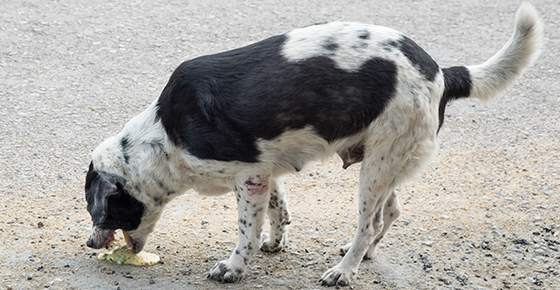
Vomiting Versus Regurgitation
When you come home to find a mess on the floor, it is easy to assume that the dog vomited. Vomiting is very common in dogs, as they often eat weird things! There are actually many other causes of vomiting, including parasites, kidney disease, liver problems, pancreatitis, and food allergies. Overall,

Newsletter Library
Understanding Canine Compulsive Disorder
If your dog has developed a tendency to pursue the same pointless activity -- sucking on his flanks, chasing his own tail, barking or snapping at thin air, et cetera -- he may be suffering from canine compulsive disorder, or CCD. Fortunately, treatment and training can help him overcome his obsession. Defining

Newsletter Library
Types of Diabetes in Dogs
Most people have heard of diabetes and associate it with needing to administer insulin. But actually there are two different kinds of diabetes: diabetes mellitus and diabetes insipidus. Their symptoms can be similar, but their causes are totally different and thus their treatments are completely different. Diabetes
Page 1
Page 2
Page 3
Page 4
Page 5
Page 6
Page 7
Page 8
Page 9
Page 10
Page 11
Page 12
Page 13
Page 14
Page 15
Page 16
Page 17
Page 18
Page 19
Page 20
Page 21
Page 22
Page 23
Page 24
Page 25
Page 26
Page 27
Page 28
Page 29
Page 30
Page 31
Page 32
Page 33
Page 34
Page 35
Page 36
Page 37
Page 38
Page 39
Page 40
Page 41
Page 42
Page 43
Page 44
Page 45
Page 46
Page 47
Page 48
Page 49
Page 50
Page 51
Page 52
Page 53
Page 54
Page 55
Page 56
Page 57
Page 58
Page 59
Page 60
Page 61
Page 62
Page 63
Page 64
Page 65
Page 66
Page 67
Page 68
Page 69
Page 70
Page 71
Page 72
Page 73
Page 74
Page 75
Page 76
Page 77
Page 78
Page 79
Page 80
Page 81
Page 82
Page 83
Page 84
Page 85
Page 86
Page 87
Page 88
Page 89
Page 90
Page 91
Page 92
Page 93
Page 94
Location
Find us on the map
Office Hours
Newsletter Signup
Testimonials
Reviews By Our Satisfied Clients
"A great place that focuses on the care of an animal. I switched from another place that charges $50.00 for a yearly checkup. Vaccines are paid for and visit is free here. That bring more people in and it serves the community as a whole. Thanks, Westchester Animal Clinic."
Tara D. - Porter, IN